
Digital marketing in future is evolving at an unprecedented pace and strategies that work today may not be effective tomorrow This guide is created for digital marketers and business leaders who want to stay ahead and anticipate the next trends shaping digital marketing in future
In digital marketing in future artificial intelligence is expected to play a pivotal role in how brands communicate with customers AI powered tools can analyze consumer behavior and deliver targeted personalized interactions providing relevant information and product recommendations that drive engagement and conversions
Another major shift shaping digital marketing in future is voice search and conversational marketing As consumers increasingly rely on voice assistants and chat based interfaces marketers must optimize content and semantics to ensure visibility and relevance in voice driven search environments For more insights check Googles guide on voice search optimization
Finally immersive technologies like augmented reality AR and virtual reality VR are transforming customer experiences in digital marketing in future These tools enable brands to create highly engaging interactive campaigns that were previously unimaginable For inspiration on AR VR marketing applications see Deloitte on immersive experiences
To explore how AI and immersive technologies can be applied today visit ShopInst for solutions that help businesses implement next generation digital marketing in future strategies
Artificial Intelligence Transforms Customer Targeting and Personalization
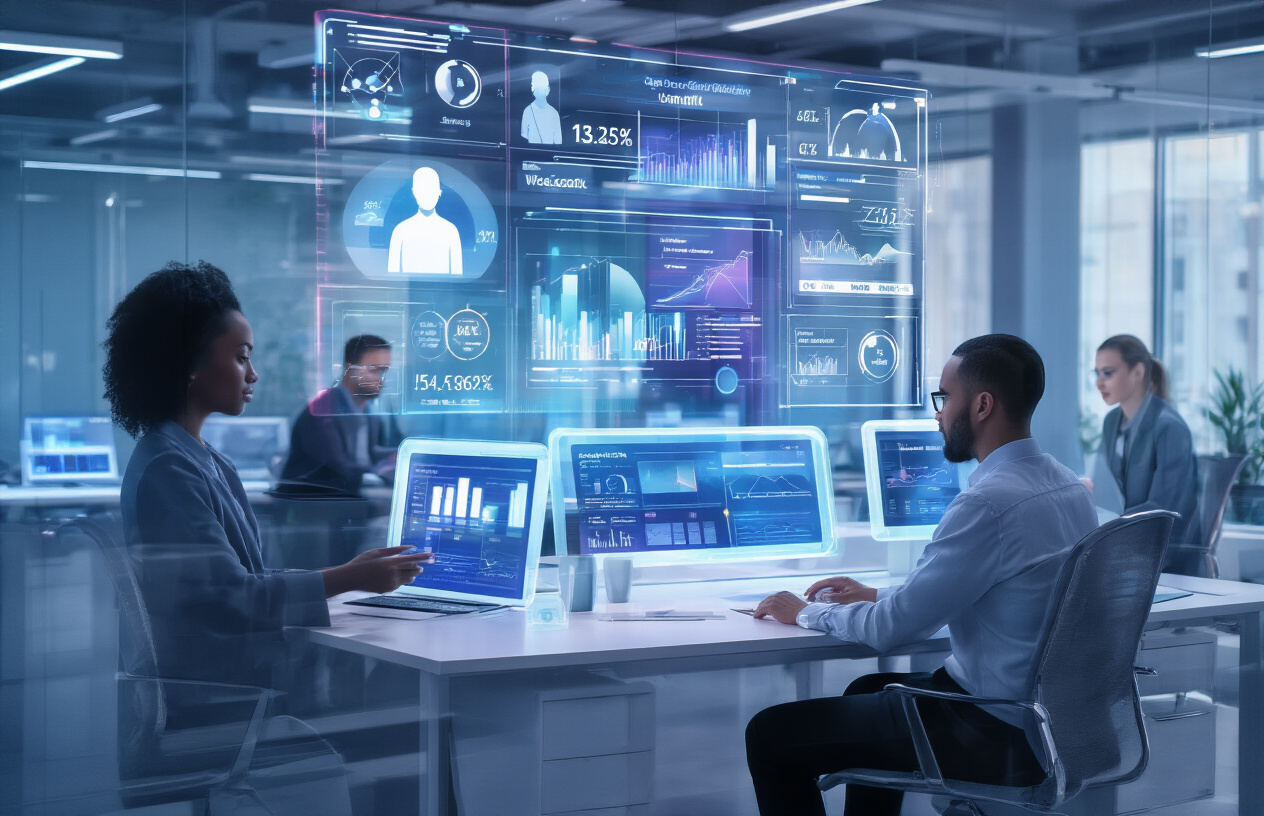
AI-powered predictive analytics revolutionize customer behavior forecasting
Digital marketing in the future is being disrupted by AI driven predictive analytics that have changed the face of predictive modeling in terms of how brands can predict the actions of their customers Machine learning algorithms today are processing huge amounts of information to make predictions about the actions that customers will take in the future These processes take into consideration browsing behaviors purchase history and demographic information to predict when a customer will buy what they will buy and how much they will spend
Machine learning algorithms deliver hyper-personalized content experiences
In digital marketing in the coming years machine learning algorithms will provide hyper personalized content experiences on all digital channels Advanced algorithms are developed to provide content options to each user uniquely based on user preferences user behavior and past user engagement The personalization engine can dynamically make changes in the layout of websites product recommendations or emails The customization provided by digital marketing personalization helps in increasing user engagement conversions and relationships with customers in every digital marketing channel
Real-time dynamic pricing optimization based on individual user data
Digital marketing in the future will increasingly depend on AI driven dynamic pricing models that adapt in real time based on user behavior market demand and competitor analysis. These intelligent systems evaluate parameters such as browsing behavior purchase likelihood and price sensitivity to personalize pricing strategies for individual customers. By adjusting prices dynamically digital marketing in the future enables businesses to maximize revenue while maintaining a strong and competitive market position.
Automated customer journey mapping enhances conversion rates
In digital marketing in the future smart mapping applications automatically identify customer touchpoints across multiple channels and devices. These AI powered tools detect bottlenecks within the customer journey and generate actionable suggestions to enhance the overall customer experience. Automated path mapping allows marketers to optimize the path to purchase improve conversion efficiency and significantly reduce customer acquisition costs.
Voice Search and Conversational Marketing Reshape Content Strategies
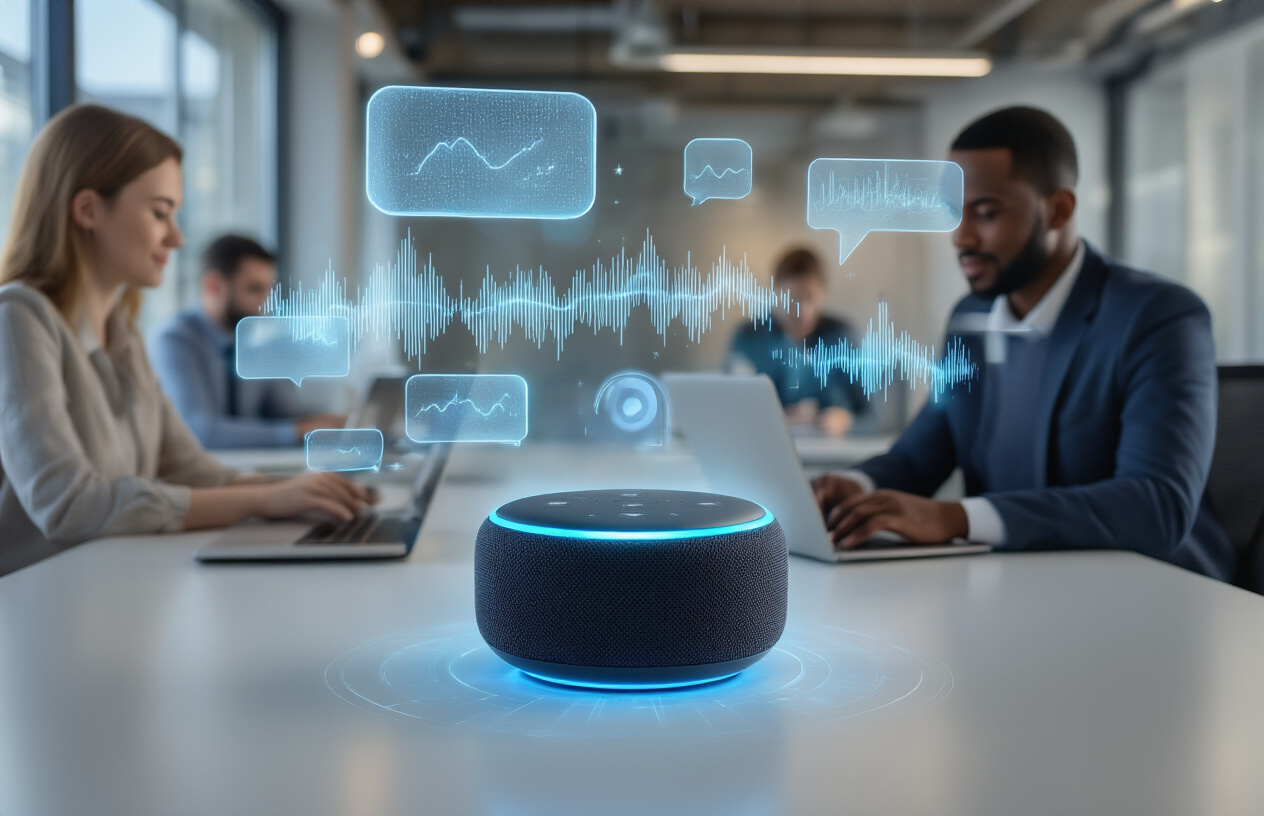
Voice-optimized content drives organic traffic growth
Voice search is changing the manner in which individuals look for relevant data on the Internet. Today, individuals do not type in a couple of relevant words, but instead, they make a query with the help of devices such as Alexa or Google Assistant. Marketers who have understanding are therefore recopying their content according to the manner in which the data will be searched through voice search.
Chatbots and virtual assistants provide instant customer support
The rising trend among companies is the use of AI powered chatbots to handle customer inquiries 24/7 Chatbots are used not only to answer customer inquiries and aid them with their purchase decisions but also to generate insight into customer preferences and behavior patterns Researchers and technologists have come a long way from the days when AI tools were limited to simple pre-defined answers and responses.
Audio content marketing captures growing podcast audiences
Podcasting is booming with consumers multitasking while listening As a result brands are launching podcasts sponsoring podcasts or creating podcasts to tap into this new channel Podcasts offer brands an opportunity to connect with audiences in a unique way such as through storytelling which is unattainable via more conventional forms of marketing
Immersive Technologies Create Revolutionary Brand Experiences
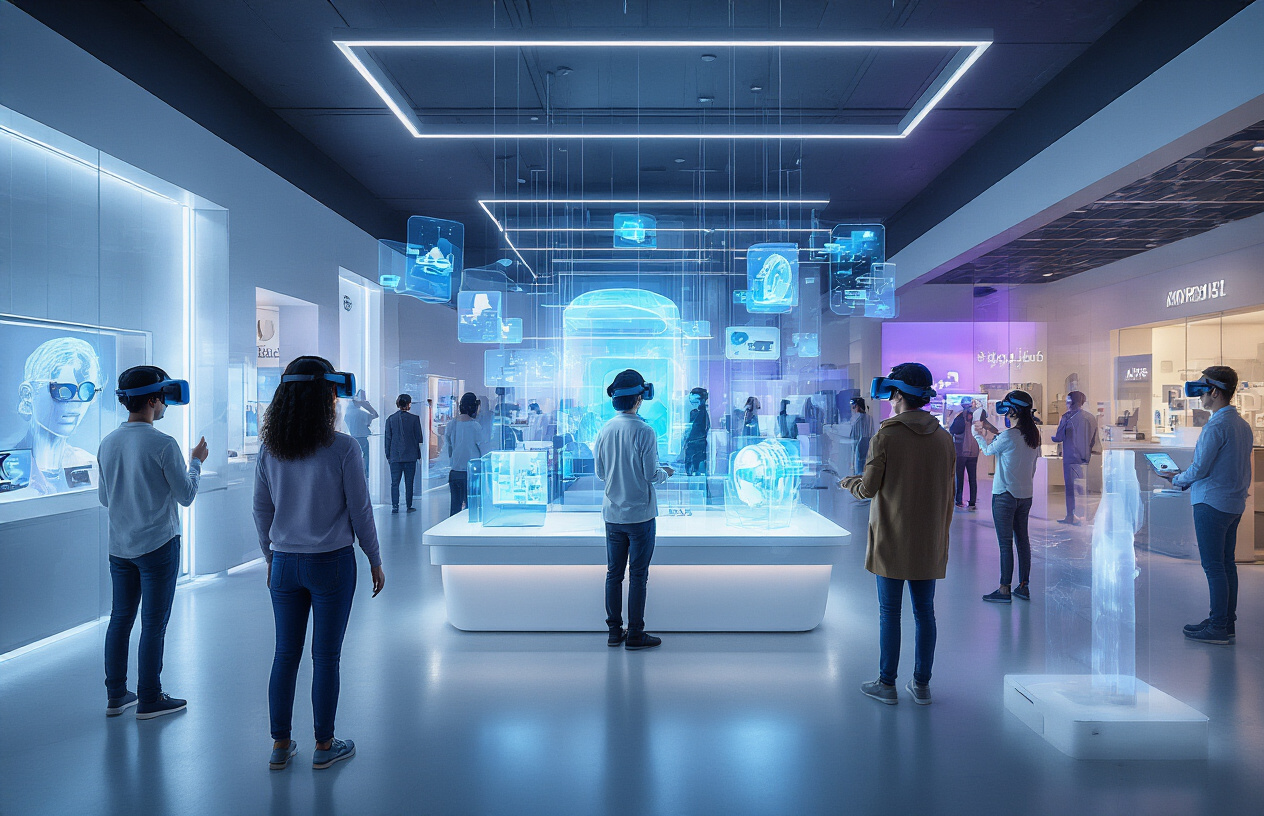
Virtual Reality Showrooms Eliminate Geographical Shopping Barriers
The VR showrooms remove location barriers, allowing people from around the world to view their products as if they were there in person. Luxury car dealerships have started offering virtual test drives, while furnishing stores have created immersive room settings. Now, people everywhere can experience the luxury brands, irrespective of their location.
Augmented Reality Try-Before-You-Buy Features Reduce Return Rates
Augmented reality applications enable customers to “try on” products or apply them to their real-world surroundings prior to purchase. “Virtual try-ons” are available from cosmetics companies, “digital fitting rooms” are provided through fashion retailers, and “product placement” demonstrations are available through home improvement retailers to showcase where the merchandise will go once it is placed within a customer’s kitchen, resulting in a potential 40 percent decrease in return rates.
360-Degree Product Demonstrations Increase Purchase Confidence
Interactive 360-degree views provide consumers with a complete view of products. Such views go beyond normal product images. Customers can view products from all angles. In addition, they can zoom in on product textures. The internal components of electronics are even visible online. Jewelry brands take prospective buyers through craftsmanship.
Interactive Brand Storytelling Builds Deeper Emotional Connections
Immersive stories make passive observers active participants in brand stories. Customers can learn about the history of the companies, read the stories of the founding of the companies, or be part of the processes involved in making the products. Adventure brands provide customers with virtual adventures, while eco brands showcase the impact their companies have on the planet.
Privacy-First Marketing Builds Trust While Maximizing Data Value

Zero-party data collection strategies strengthen customer relationships
The future of digital marketing will come without the need for intrusive tracking mechanisms that have been used in the past but have undermined the private data of consumers. Today, companies have adopted the use of voluntary data sharing, which entails consumers offering data to companies in return for obvious benefits.
Consent management platforms ensure regulatory compliance
In digital marketing in future, modern consent management systems play a critical role in balancing personalization with privacy compliance. These platforms automatically handle complex global privacy regulations such as GDPR, CCPA, and emerging regional data laws while maintaining a smooth and user-friendly experience.
Transparent data usage policies increase brand credibility
Future digital marketing trends will see consumers trusting brand brands because of their open data usage policies published online or through digital channels. This is because consumers are now attracted to brand profiles that are open and honest about their data and why they collect it and what they can gain from consumers.
Advanced Analytics and Attribution Models Optimize Marketing ROI

Cross-platform attribution tracking reveals true campaign performance
In digital marketing in the future, cross-platform attribution analysis shows the real effectiveness of marketing campaigns. Conventional digital marketing analysis consisted of individual channels; platforms such as YouTube, Instagram, search ads, and email marketing are now linked in a customer touchpoint chain.
Predictive lifetime value modeling guides budget allocation decisions
In digital marketing in future, smart digital marketing professionals apply advanced prediction algorithms to estimate how much a customer is likely to spend over time. These models analyze historical data such as browsing behavior, purchase history, engagement levels, and interaction patterns to forecast long-term customer value with accuracy.
Real-time performance dashboards enable instant campaign adjustments
In digital marketing in future, the dashboards in marketing provide constant updates every few minutes to display the real-time results of the campaign. This provides digital marketing in future teams an important opportunity to identify any issues that exist within their campaigns to avoid waiting for weekly reports. The digital marketing in future process helps in marketers taking corrective measures in real-time to get better results by acting faster.
AI-driven A/B testing accelerates optimization cycles
In digital marketing in future, faster optimization is enabled through AI-driven A/B testing that runs multiple variations simultaneously instead of one at a time. By analyzing user behavior and performance data in real time, digital marketing in future allows artificial intelligence to identify winning versions much more quickly than traditional testing methods. Once performance patterns are clear, AI automatically optimizes traffic flow by directing more users to the best-performing variations, ensuring digital marketing in future campaigns achieve higher conversions with minimal manual effort.
Multi-touch attribution provides comprehensive customer journey insights
The future of digital marketing reflects consumers moving across devices, researching on mobile, comparing prices on desktop, and converting through different paths. Multi-touch attribution in digital marketing in the future reveals how each touchpoint drives purchases, enabling brands to remove friction and streamline experiences before prospects drop off.
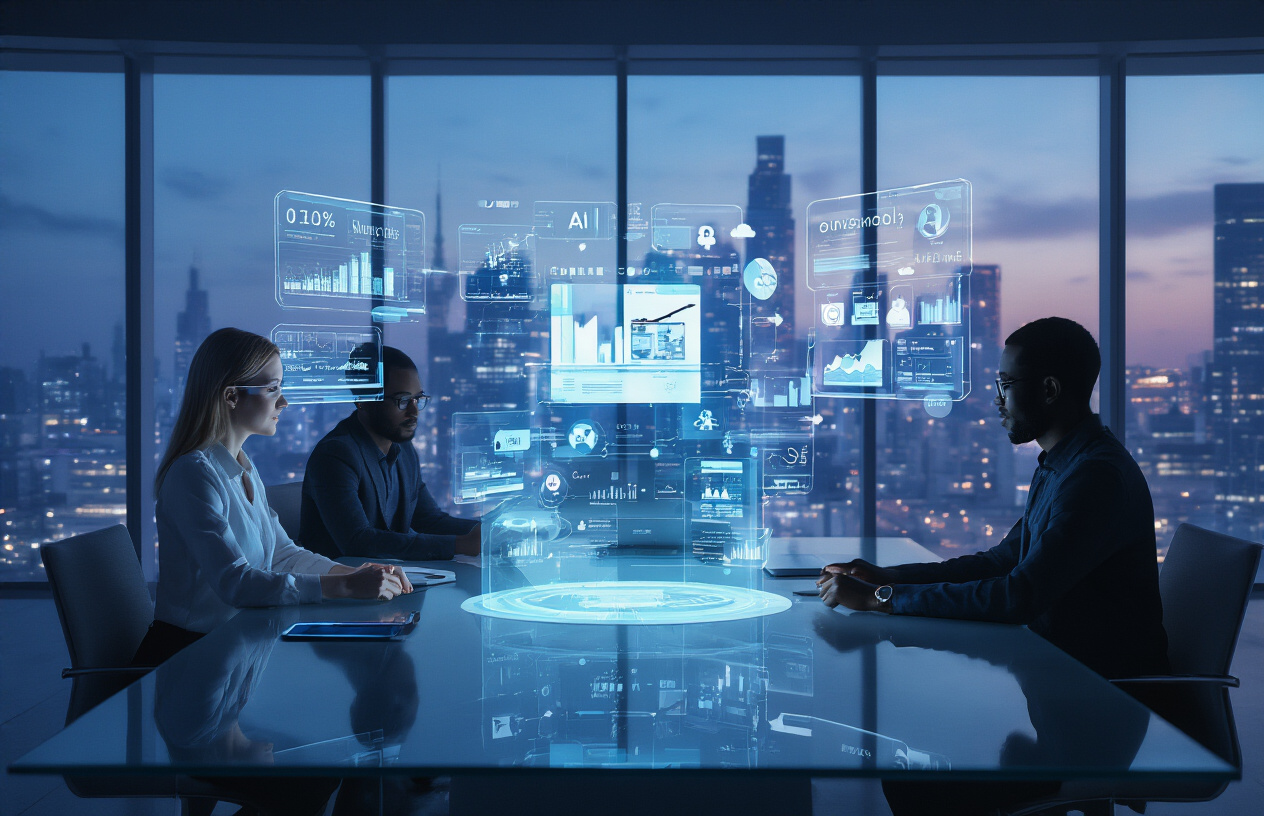
Digital marketing in future is entering an exciting new chapter where artificial intelligence removes guesswork from reaching customers voice search reshapes content into conversations and immersive technologies create memorable brand experiences In digital marketing in future privacy first strategies prove that marketers can build genuine trust while still gaining valuable insights Advanced analytics in digital marketing in future clearly show which efforts truly drive results and long term growth
Brands that succeed in digital marketing in future will embrace these changes today by adopting AI powered personalization optimizing for voice search and exploring AR or VR within the customer journey Most importantly digital marketing in future places privacy and transparency at the core of strategy The future of digital marketing is not just about technology but about using digital marketing in future practices to create deeper more meaningful customer connections